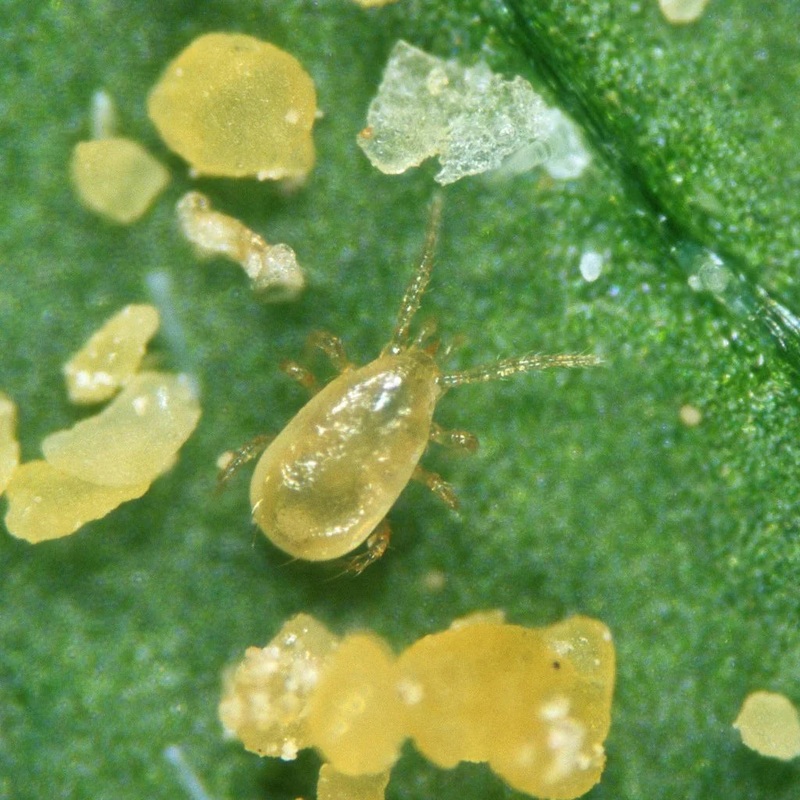
Amblyseius Swirskii and Cucumeris are the preferred predator for thrips and spider mites control.They are tan colored mites found on the underside of leaves along the veins or inside mature flowers. These mites are most effective at preventing thrips/spide

Amblyseius Swirskii and Cucumeris are the preferred predator for thrips and spider mites control.They are tan colored mites found on the underside of leaves along the veins or inside mature flowers. These mites are most effective at preventing thrips/spider mites build-up when applied early in the growing season at the first sign.
The life cycle begins with small white eggs that can be seen attached to leaf hairs along veins on the lower leaf surface. At 68 degrees F eggs hatch in about 3 days into nonfeeding larvae that molt to nymphs after about 2 days. The 2 nymphal stages which last 7 days, as well as the adult stage which lasts up to 30 days feed on immature stages of thrips. The adult female can lay up to 35 eggs in her lifetime. Adults can eat an average of 1 thrips per day and also feed on two-spotted mites and their eggs.
Establishment of Cucumeris and Swirskii requires 3-4 weeks, so they should be applied before thrip problems develop. Because cucumeris feed on immature thrip stages a decrease in adult thrip populations will not occur for about 3 weeks.
Amixed population of Amblyseius swirskii and cucumeris mixed with either vermiculite or bran. Both are aggressive predatory mite that works well for preventing thrips, spider mites, and whiteflies. Available in mini satchets. 250 mites count/sachet.
Amblyseiusprefers warm and humid to thrive and will lay eggs which in turn will feed off thrips, spider mites, and whiteflies.
A great beneficial to combat common pest in your urban jungle.
Available as 10 packs. Assorted mix.
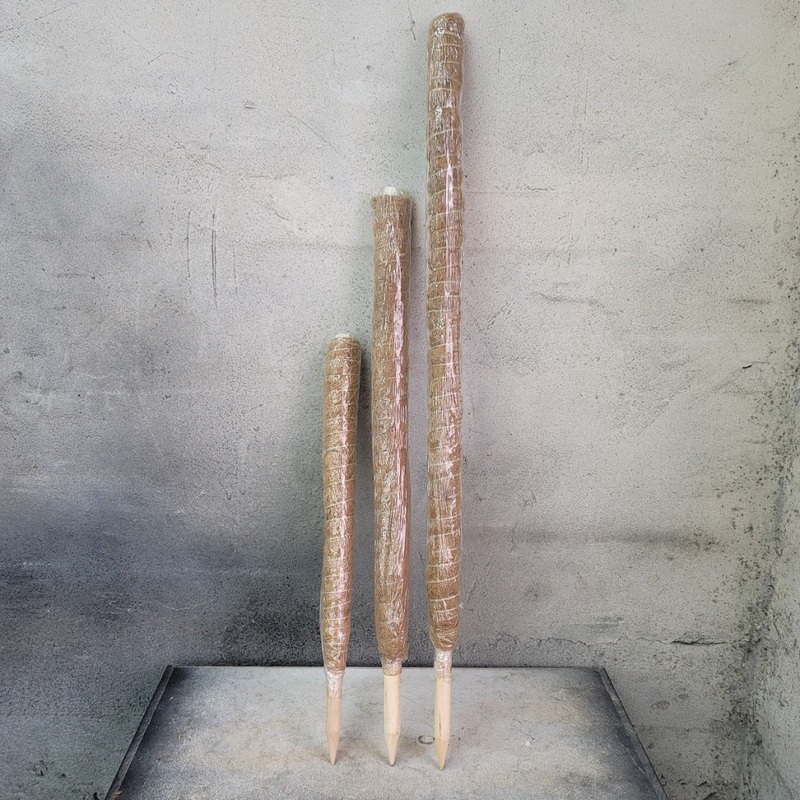
Just still the lollipop stick into your plant soil and beneficial mites will emerge from a pin hole and roam.




Reviews
There are no reviews yet.